Mini Cross Embroidery Design Review
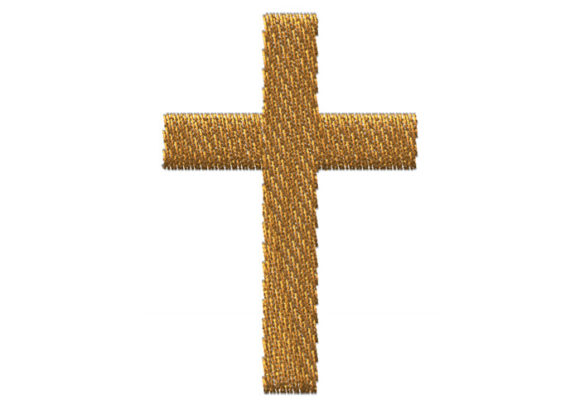
As a designer who spends half my life staring at stitch charts and the other half troubleshooting tension issues on vintage machines, I don’t just look for "pretty" designs. I look for viability. Can this design hold up in the real world? Will it translate well from a digital file to a physical object that a customer will actually wear or use? Today, I’m putting Mini Cross through its paces. This is not just another religious motif; it is a practical tool for anyone building a brand around faith-based crafts, personalized gifts, or minimalist home decor.
The first thing you notice about Mini Cross is its restraint. In an industry saturated with overly complex baroque crosses and cluttered scripture patches, this design breathes. It feels intentional. The shape is clean, the lines are deliberate, and it carries a quiet confidence that works beautifully in both modern boutique settings and traditional church gift shops. But does it work when stitched out?
First Impressions and Visual Personality
When I loaded the embroidery file into my hoop for the initial test run, the layout felt balanced. It doesn’t scream for attention; it invites a closer look. The visual personality of Mini Cross leans towards understated elegance. It creates a mood of serenity and focus, which makes it incredibly versatile. You aren’t limited to just Sunday services or religious retreats. Because the aesthetic is so clean, it fits seamlessly into secular spaces as well—think minimalist nursery decor, meditation room accents, or even subtle branding for a wellness-focused small business.
The color chart included with the download is thoughtfully curated. It avoids the muddy tones that often plague low-resolution designs. Instead, it offers crisp contrasts that pop against various backgrounds. Whether you are aiming for a soft pastel palette for baby items or deep, rich jewel tones for adult apparel, the foundation of the design supports those choices without looking disjointed. It’s a solid starting point for any creative entrepreneur.
Real-World Application: From File to Finished Product
Let’s talk about where this design truly shines. I’ve been testing Mini Cross across a variety of mediums to see how it handles different stress points. Here is what I found when applying it to actual products.
- Custom Apparel and Sweatshirts: I stitched Mini Cross onto a heavyweight cotton sweatshirt. The design held its structure perfectly. Because it isn’t overly dense, it didn’t weigh down the fabric, allowing the garment to remain comfortable while still making a statement. It looks particularly striking centered on the chest or subtly placed over the heart area.
- Tote Bag Designs: One of the most popular items for Etsy sellers right now is the canvas tote. Mini Cross translates beautifully here. On a natural jute or heavy cotton canvas, the satin stitch details (if included in your specific file variation) stand out sharply. It elevates a simple bag into a premium accessory. Customers love carrying something that reflects their values, and this design delivers that emotional connection instantly.
- Baby Embroidery and Nursery Decor: There is a huge market for gentle, meaningful gifts for new parents. Mini Cross is perfect for onesies, burp cloths, and swaddle blankets. The smaller scale of the design means it doesn’t overwhelm delicate baby fabrics. When paired with soft thread colors, it becomes a timeless heirloom piece that parents are proud to give.
- Kitchen Towels and Aprons: For the craft business owner, kitchen linens are a high-volume, lower-cost entry point. Stitching Mini Cross onto a linen tea towel adds a touch of warmth to the home. It’s a great impulse buy at craft fairs or as an add-on item for online shoppers. The design’s simplicity ensures it won’t date quickly, keeping your shop inventory relevant longer.
Technical Performance and Stitch Quality
From a technical standpoint, Mini Cross respects the limitations of standard home and commercial embroidery machines. The stitch density appears optimized to prevent puckering, which is a common complaint with cross designs that try to be too detailed. However, success depends heavily on your preparation.
I noticed that the running stitch elements (where applicable) lay flat and smooth, providing a nice textural contrast to any fill stitches used for the main body of the cross. This mix of stitch types adds depth without adding excessive bulk. When evaluating the finished product, the edges were clean, and there was minimal need for trimming threads. This is crucial for efficiency in a small shop environment where time is money.
The design also performs well in black-and-white mockups, which is a good indicator of its strong graphic silhouette. Even without color, the shape is recognizable and impactful. This suggests that the underlying vector structure of the embroidery file is sound, which bodes well for scalability if you plan to use it in larger print-on-demand assets or digital design projects.
Where to Exercise Caution
No design is universal, and Mini Cross has its boundaries. As an experienced reviewer, I need to highlight where this design might struggle if you aren’t careful.
- Small Hoop Sizes: While the design is called "Mini," attempting to stitch it in a hoop smaller than 4x4 inches can result in lost detail. The tiny corners may not register clearly, especially on thicker fabrics. Always check the recommended hoop size before setting up your machine.
- Textured and Stretchy Fabrics: Avoid stitching this on highly textured surfaces like bouclé wool or very stretchy jersey knits without proper stabilization. The geometric nature of the cross requires a stable base to maintain its straight lines. If the fabric distorts during stitching, the cross will look warped, undermining the professional look you’re trying to achieve.
- Dense Stitch Areas: If your version of the design includes heavy fill stitches, be cautious on thin fabrics. Without a cut-away stabilizer, the stiffness of the embroidery might feel uncomfortable against the skin, particularly on clothing items like t-shirts or baby clothes.
- Curved Surfaces: While it can work on caps, the flat geometry of the cross can look awkward on highly curved brims unless digitized specifically for that curve. For best results, place it on flatter areas like the front panel of a cap or a patch intended for an apron.
Strategic Advice for Sellers and Makers
If you are an Etsy seller or a small business owner looking to expand your catalog, Mini Cross is a smart addition. It taps into the enduring demand for faith-based merchandise but presents it in a way that appeals to modern tastes. To maximize its potential, consider these tips:
- Test on Scrap Fabric First: Always run a test stitch on the exact fabric you plan to sell. Check for thread breakage, color bleeding, and tension balance.
- Contrast is Key: Pay close attention to thread color contrast. A white cross on white fabric won’t show, but a dark navy cross on a light gray hoodie might look too harsh. Use the included color chart as a guide, but trust your eye for the final combination.
- Professional Presentation: When photographing your finished products, let the embroidery speak for itself. Close-up shots that capture the texture of the stitches build trust with buyers. They want to see the quality before they commit.
- Licensing Checks: Before selling finished goods, double-check the license terms provided with the digital embroidery file. Ensure you have the right to sell physical items made from the design. This protects your business and keeps you compliant with creator rights.
In conclusion, Mini Cross is more than just a religious symbol; it is a reliable, aesthetically pleasing design asset that can elevate a wide range of handmade products. It balances tradition with modern simplicity, making it a valuable tool for any designer’s repertoire. Whether you are creating a one-off personalized gift or stocking shelves for the holiday season, this design offers the clarity and charm needed to connect with customers. Just remember to respect the technical requirements, prep your materials well, and let the quality of your execution do the talking.