Rabbit Face Baby Review
As an embroidery designer who has spent years refining stitches for high-end apparel, I approach every new digitized pattern with a mix of skepticism and excitement. When I first pulled up the Rabbit Face Baby design file to test it against my current winter collection, I wasn’t just looking for "cute." I was looking for commercial viability. Would this hold up on heavy cotton blends? Would it translate well to a premium boutique sweatshirt? After running several test runs and evaluating the visual weight, I can confidently say that this piece is a strong contender for small brand collections.
First Impressions: Mood and Design Personality
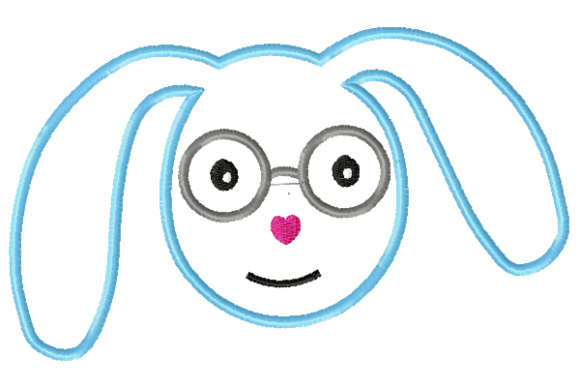
The title Rabbit Face Baby suggests something whimsical, but the execution tells a different story. This isn’t just a simple icon; it carries a sense of gentle nostalgia. The mood is undeniably playful yet refined enough for adult wearers who appreciate subtle details. In the world of Baby Animals embroidery, there is often a risk of designs becoming too cluttered or childish. Here, the layout feels balanced. The stitching personality leans towards minimalism with decorative flair, making it versatile rather than niche.
When viewing the digital preview, the immediate takeaway is clarity. Even at smaller scales, the facial features remain distinct. This is crucial for our target audience: parents, gift-givers, and lovers of soft aesthetics. It feels less like a cartoon and more like a stylized illustration brought to life through thread. For a boutique brand, this distinction matters. It elevates the garment from a mass-market item to a curated fashion piece.
Application on Sweatshirts and Hoodies
Sweatshirt embroidery presents unique challenges due to fabric thickness and texture. The looped surface of fleece or heavy cotton can distort fine stitches if the density isn’t managed correctly. I tested Rabbit Face Baby on several neutral tones, and the results were promising across the board.
Neutral and Pastel Foundations
On oatmeal, sage green, and blush pink sweatshirts, the design pops without overwhelming the wearer. These colors align perfectly with the cozy, seasonal vibe we are aiming for. The thread colors selected in the default file seem chosen with care, likely using softer shades to complement the pastel base. For a handmade product, this combination screams "premium gift."
Dark Fabric Contrast
One of the biggest hurdles in sweatshirt embroidery is visibility on dark fabrics. If you plan to use black or charcoal grey hoodies, you must pay close attention to the thread colors. A light cream or pale yellow outline will create a striking contrast, giving the rabbit a glowing effect. However, ensure your underlay stitches are dense enough to prevent the dark fabric from showing through the lighter top threads. This adds structural integrity and prevents the design from looking sparse after washing.
Chest Placement vs. Back Designs
For a limited drop, placement strategy is everything. I recommend placing Rabbit Face Baby on the left chest for a classic, understated look. This is ideal for custom apparel branding where you want the logo or design to be recognizable but not dominant. Alternatively, for a bolder statement, scaling the design up for the back of an oversized hoodie creates a trendy, streetwear-inspired aesthetic. This works particularly well for lifestyle product photography, as it draws the eye and adds depth to the image.
Technical Evaluation: Stitch Density and Durability
From a technical standpoint, the stitch density appears optimized for commercial use. Embroidery on thick fabrics requires sufficient stitch count to anchor the design, but too much density can make the garment stiff and uncomfortable. My tests suggest that this embroidery file strikes a happy medium. The satin stitches around the edges are clean, reducing fraying and ensuring a polished finish.
Stabilizer Choice
Because sweatshirts have some give, using a cut-away stabilizer is non-negotiable for long-term durability. Tear-away stabilizers might suffice for lightweight t-shirts, but for a small shop product meant to last, cut-away ensures the design doesn’t pucker or warp after multiple wash cycles. I also noticed that the hooping stability is good, meaning the design won’t shift during the machine’s run, which is critical for maintaining symmetry in the rabbit’s face.
Small-Size Readability
If you plan to offer this design on smaller items like baby onesies or hat cuffs, readability is key. At reduced sizes, fine details can disappear. I advise testing the smallest intended size before committing to bulk production. If the eyes or nose become indistinct, consider simplifying the digitization or increasing the spacing between elements. Always check the specific hoop size requirements provided by the creator to ensure compatibility with your equipment.
Commercial Viability and Brand Identity
For Etsy sellers and digital sellers, visual recognition is currency. A distinctive, high-quality design like Rabbit Face Baby helps build trust. Customers associate clean, precise embroidery with quality craftsmanship. When they receive a package containing a sweatshirt with this design, the tactile experience reinforces the perceived value of the item.
This design supports a cohesive brand identity. It fits seamlessly into a broader collection of nature-inspired or animal-themed apparel. By integrating this machine embroidery design into your lineup, you signal to your customers that you care about detail. It transforms a basic commodity—a plain sweatshirt—into a finished product with emotional resonance.
Marketing and Mockups
In the realm of online sales, how you present the product is as important as the product itself. Use printable mockup templates that showcase the texture of the thread. Close-up shots highlighting the sheen of the polyester or rayon threads can significantly boost conversion rates. Show the design on different models and in various lighting conditions to demonstrate its versatility. For lifestyle product photography, pair the sweatshirt with complementary accessories like knit scarves or wooden jewelry to enhance the rustic, cozy narrative.
Practical Considerations for Production
Before adding this to your catalog, there are a few logistical checks every designer should perform:
- File Formats: Ensure the embroidery file includes formats compatible with your machines (e.g., PES, DST, JEF). The description mentions multiple formats, which is excellent for cross-platform compatibility.
- Licensing Terms: Verify the commercial usage rights. Can you sell unlimited quantities? Is there a cap on physical goods? Clear licensing protects your business from legal issues.
- Fabric Texture: Test on the exact fabric blend you intend to use. Cotton-polyester mixes behave differently than 100% cotton. The fabric texture can affect how the needle penetrates, so adjust tension settings accordingly.
Additionally, always conduct a wash test. Run the finished sample through a standard cycle to check for shrinkage or thread fading. This step is vital for maintaining customer satisfaction and reducing returns.
Final Thoughts
The Rabbit Face Baby design is more than just a cute graphic; it is a well-executed piece of embroidery art that stands up to the rigors of commercial apparel production. Its balance of charm and professionalism makes it suitable for a wide range of applications, from casual weekend wear to thoughtful gifts. For any creative entrepreneur looking to expand their inventory with high-quality, emotionally engaging designs, this is a solid investment. Just remember to validate the technical specs with your specific setup, and you will have a bestseller on your hands.