Skeleton Hand Embroidery Design Review
As a designer who spends half my life staring at stitch maps and the other half worrying about whether a client’s budget allows for premium thread, I approach every new digital download with a mix of skepticism and hope. The market is flooded with generic clipart converted poorly into embroidery files, but occasionally, something catches the eye—not because it’s flashy, but because it feels like it was made by someone who understands fabric.
This week, I pulled Skeleton Hand from the Freebies section to test. It’s categorized under Embroidery designs, specifically targeting Halloween enthusiasts and those looking for edgy, gothic-inspired accents. My goal wasn’t just to see if it stitches; it was to determine if this design holds up in a real-world commercial or high-stakes personal project. Could this be the centerpiece of a boutique holiday collection? Would it survive the washing machine after being stitched onto a customer’s favorite hoodie?
First Impressions: Mood and Visual Personality
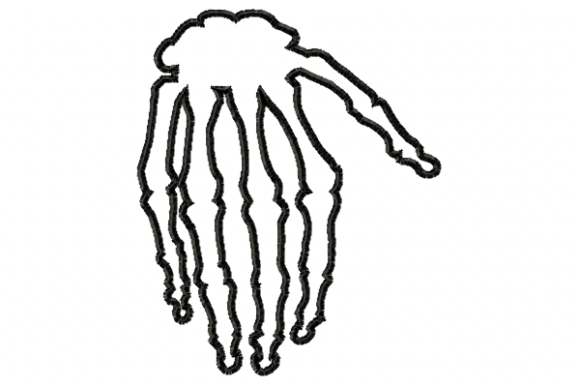
The moment you open the file preview, the mood is established immediately. This isn’t a cartoonish, scary monster hand. It is elegant, skeletal, and surprisingly refined. The layout suggests a natural curvature, mimicking the organic flow of fingers reaching out. For an embroiderer, this is crucial. Straight lines can look stiff on fabric, but curves allow the satin stitches to follow the grain and texture of the material more naturally.
Visually, Skeleton Hand strikes a balance between spooky and sophisticated. It creates a mood that is playful yet slightly dark—perfect for the modern crafter who wants to move away from traditional orange-and-black pumpkin motifs. The detail level is high enough to convey bone structure without becoming so dense that the fabric puckers. It feels like a design asset that belongs in a curated collection rather than a bulk dump of low-quality vectors.
Real-World Application: Where Does It Fit?
I decided to stress-test this design by imagining it across several common product categories. Here is how I see Skeleton Hand performing in actual production scenarios.
Custom Apparel and Sweatshirts
Imagine a heavy cotton-blend sweatshirt for a local coffee shop’s Halloween event. Placing Skeleton Hand over the heart area or centered on the back offers a striking focal point. Because the design has negative space (the gaps between fingers), it breathes well on larger garments. It doesn’t feel cluttered. For an Etsy seller, this translates to a "premium" look. Customers are willing to pay more for designs that look intentional, not like they were slapped on with minimal effort.
Tote Bags and Canvas Projects
A canvas tote bag is a staple for craft fair sellers. Stitching Skeleton Hand in white or silver metallic thread on a black canvas creates a high-contrast, graphic look. The running stitch details likely used for the finger joints will stand out sharply against the weave of the canvas. However, one must consider the weight of the design. If the fill stitch density is too high, it might make the tote bag stiff. A lighter touch here ensures the bag remains functional and soft to the touch.
Baby Items and Nursery Decor
Don’t overlook the gifting market. While skeletons might seem harsh for babies, a stylized, small-scale Skeleton Hand embroidered on a muslin swaddle or a crib mobile component can be incredibly trendy. It fits the "modern witchy" aesthetic that is popular among millennial parents. As a personalized gift, adding a name below the hand elevates it from a simple craft item to a keepsake. The key here is scale; ensure the hoop size allows for a manageable placement that doesn’t overwhelm a tiny garment.
Embroidered Patches and Accessories
This design screams "patch." Whether it’s an embroidered patch for a denim jacket or a decorative accent on a leather journal cover, Skeleton Hand works beautifully as a standalone icon. The clean edges suggest it would handle a cutwork or applique finish very well, adding a layer of dimension that flat stitching cannot achieve.
Technical Considerations and Potential Pitfalls
No design is perfect for every situation. As a professional reviewer, I need to highlight where caution is required when using Skeleton Hand.
- Fabric Texture: On highly textured fabrics like chunky knits or bouclé, the fine details of the skeleton fingers may get lost. Stick to smooth weaves like cotton twill, jersey, or linen for maximum clarity.
- Small Hoop Sizes: If you are working with a limited hoop size, be wary of the spacing between the fingers. At very small scales, the gap between the index and middle finger might close up, making the hand look fused. Always check your digitization at the intended final size.
- Stretchy Fabrics: When embroidering on stretchy materials like spandex blends, the tension of the fill stitch can cause distortion. Use a proper stabilizer—preferably a tear-away or cut-away depending on the fabric weight—to prevent the hand from warping during stitching.
- Dense Stitch Areas: If the design uses heavy fill stitch for the palm or wrist area, it may become stiff. Test this on scrap fabric first. If stiffness is a concern, consider reducing the stitch density in your software before committing to the final product.
Stitch Quality and Thread Selection
The visual appeal of Skeleton Hand relies heavily on thread choice. While black-on-black is a classic gothic look, it can lack definition. I recommend using light grey or off-white thread on dark fabric to highlight the bone structure. Conversely, red thread could add a dramatic, bloody effect for horror-themed projects.
Pay attention to the transition between satin stitch borders and fill stitch interiors. A good embroidery file will have clean transitions to avoid thread breaks or jumps that show on the front. If the design includes running stitch for finer details, ensure your needle is sharp enough to pierce the fabric cleanly without fraying the threads.
Commercial Viability and Licensing
For those of us selling finished products or digital assets, licensing is non-negotiable. Since this is listed under Freebies, it is vital to read the specific license terms provided by the creator. Some free designs are for personal use only, meaning you cannot sell the finished tote bag or sweatshirt. Others may allow commercial use but require attribution.
Assuming the license permits commercial use, Skeleton Hand has strong potential. It is versatile enough to be used in seasonal collections, allowing you to rotate inventory quickly. It also serves well as a design asset for printable mockups, helping you visualize how the design looks on different products before you even load the hoop.
Final Verdict
Skeleton Hand is a thoughtful, well-executed embroidery design that moves beyond cliché. It offers designers and small business owners a versatile tool for creating unique, high-quality handmade products. From custom apparel to personalized gifts, its elegant simplicity allows it to shine in various contexts.
However, success lies in execution. Test your stitch density, choose the right stabilizer, and pick thread colors that enhance the design’s natural contrast. By doing your homework, you can turn this simple digital file into a profitable, professional-grade finished product that customers will love.